

Japanese photography has long occupied a unique position within the history of the medium.
From the radical experimentation of the postwar avant garde to the refined conceptual practices of contemporary artists, photographers from Japan have consistently pushed the boundaries of how images can represent time, memory and perception. Japanese photographic culture often combines philosophical reflection with strong visual discipline, creating images that move fluidly between documentary observation, abstraction and poetic interpretation.
What distinguishes much of Japanese photography is its sensitivity to impermanence. The idea that everything is in constant transformation is deeply embedded in Japanese culture and aesthetics. Concepts such as transience, silence and the invisible presence of nature frequently shape the visual language of photographers working in Japan. Landscapes, architecture, water, light and human presence are often approached not simply as subjects but as fleeting moments within a larger cycle of change.
The photographers presented in this selection reflect the richness and diversity of contemporary Japanese photographic practice. Their projects range from conceptual explorations of water and time to abstract studies of architecture and poetic reflections on nature and spirituality. Together these works reveal how Japanese photographers continue to reinterpret the relationship between the visible world and the deeper meanings hidden beneath its surface.
In Osamu Jinguji: Everything is in Flux and Nothing is Permanent, the artist reflects on the unpredictable paths that shape a creative life. After beginning his career as an actor and model, Jinguji was forced to abandon that profession due to health issues. Many years later he returned to artistic expression through photography, discovering in the medium a way to reconnect with his identity as a creator. His work reflects a philosophy rooted in change and resilience, embracing the idea that artistic expression can emerge from unexpected turning points in life.
Nature becomes the central focus in Ice Formations by Ryota Kajita, a long term photographic project documenting the delicate patterns formed by freezing water in Alaska. Using a medium format film camera, Kajita captures the subtle textures created by gases trapped beneath the surface of ice as lakes and rivers slowly freeze. The resulting images reveal intricate abstract structures that transform natural processes into almost sculptural compositions.
Urban perception takes on a surreal dimension in Architecture by Koji Tajima, where the photographer explores the relationship between space, perspective and the built environment. Tajima’s work experiments with urban landscapes, breaking conventional spatial logic and reconstructing architecture into unexpected visual forms. Through these transformations the city becomes a field of visual experimentation where geometry, scale and perspective are constantly reimagined.
Spirituality and mystery appear in Shinji Ichikawa: The Essence, a project shaped by the photographer’s upbringing in a region associated with Japanese spiritual traditions. Influenced by the belief that countless unseen spirits inhabit the natural world, Ichikawa’s images explore the subtle presence of the invisible within everyday life. His photographs often evoke a quiet tension between the physical world and the mysterious forces that may exist beyond it.
Finally, Water by Tomohide Ikeya examines one of nature’s most powerful and uncontrollable elements. Fascinated by the underwater world through his experience as a scuba diver, Ikeya explores the visual and conceptual possibilities of water as a photographic subject. The series reflects on the contrast between human attempts to control the environment and the unpredictable beauty of natural forces.
Together these photographers demonstrate how Japanese photography continues to evolve through experimentation, philosophical reflection and a deep connection with nature and time. Their work reveals a visual culture where images are not only records of reality but also meditations on impermanence, perception and the subtle relationships between humans and the world they inhabit.
Osamu Jinguji : Everything is in flux and nothing is permanent
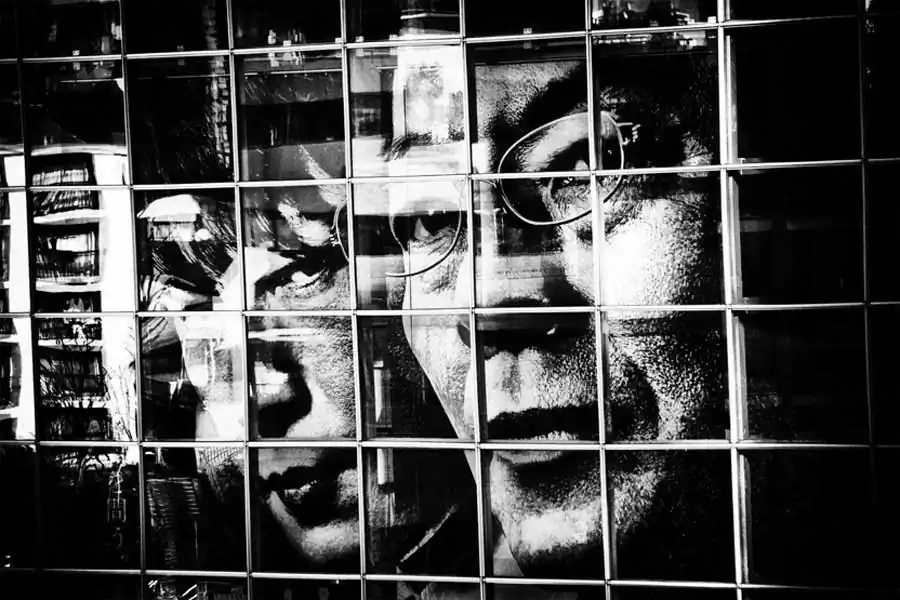
I was born in Japan in 1962. Now, I’m a photo artist and a creator but my first career as an artist is an actor and a model. After their activities for 5 years, I retired owing to bad health. After taking over 25 years of twists and turns, I made a decision to live as an artist again and finally selected to become a photographer which I like the best of ever and fit my current life style very much. So, it means that, living, as a photographer, must be my last resort to survive in this world. More……
Ice Formations by Ryota Kajita
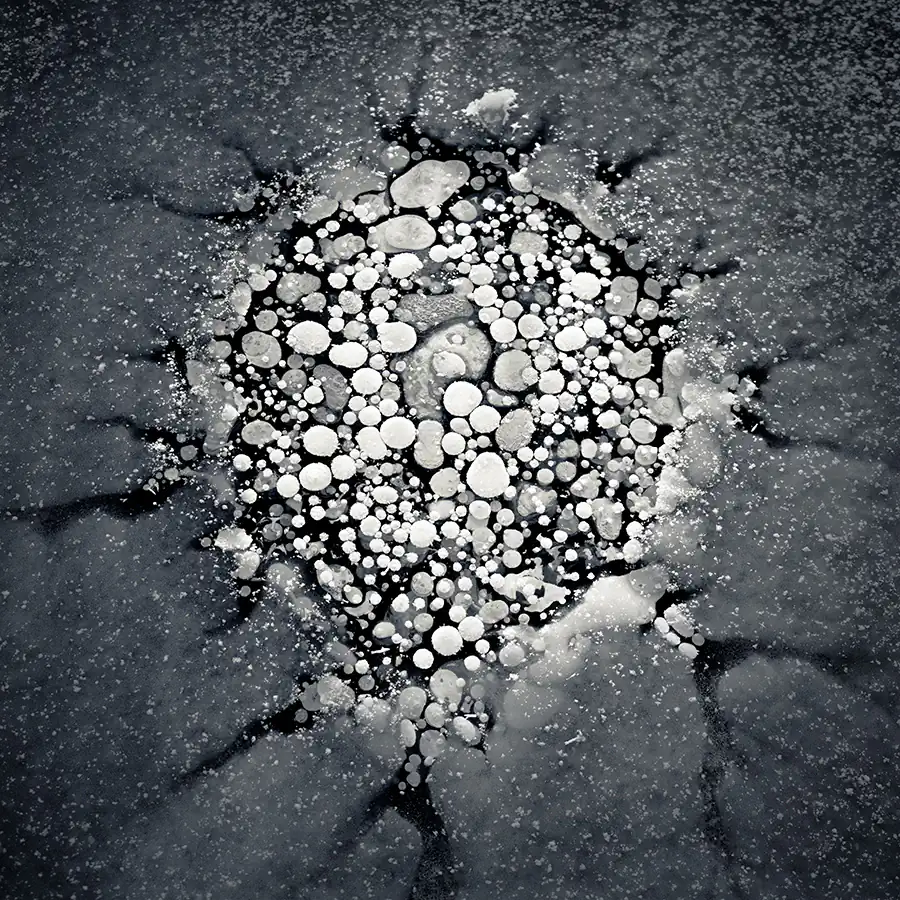
This series, Ice Formations, captured ice patterns appearing on ponds, lakes and river in the beginning of winter around Fairbanks, Alaska. The photographs were taken over the past four years with a medium format film camera, which allows me to capture delicate details of the ice, and this is an ongoing project. Many of these are frozen bubbles of gases like methane or carbon dioxide trapped under ice. When lake and river water freezes, it turns into ice slowly from the surface and traps the gases. More…..
My method is different from the one most photographers use. I do not go around and shoot. I usually have a specific vision, just by myself. One night I thought of taking a photographic exposure of a film at a movie theater while the film was being projected. I imagined how it could be possible to shoot an entire movie with my camera. Then I had the clear vision that the movie screen would show up on the picture as a white rectangle. I thought it could look like a very brilliant white rectangle coming out from the screen, shining throughout the whole theater. It might seem very interesting and mysterious, even in some way religious.
Hiroshi Sugimoto (Japanese Photographer)
Architecture by Koji Tajima
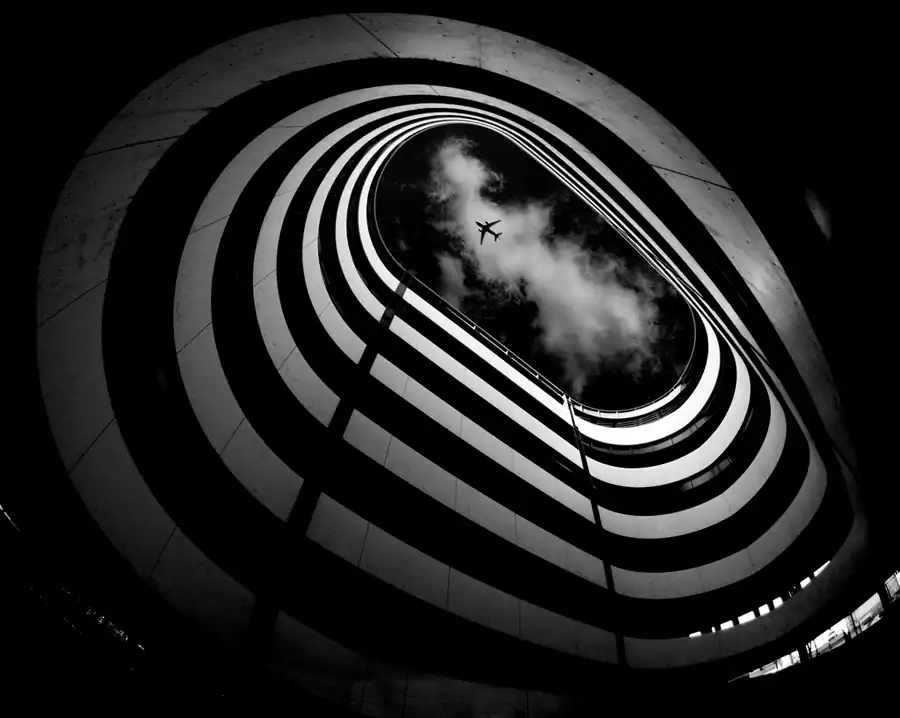
Koji Tajima , living in Gunma Japan. I like Urbanscape , Architecture. These are my urban surreal photo experiment. Time, space, architecture, perspective. Break and re-create. I’m going to go HongKong and London and some huge cities to the future. and continue these works. I have been worked advertising company several years as interactive designer. I saw a great works in that and I created web site with the staff of company. turned freelance from 2011. Very inspiration from that. More….
Shinji Ichikawa : The essence
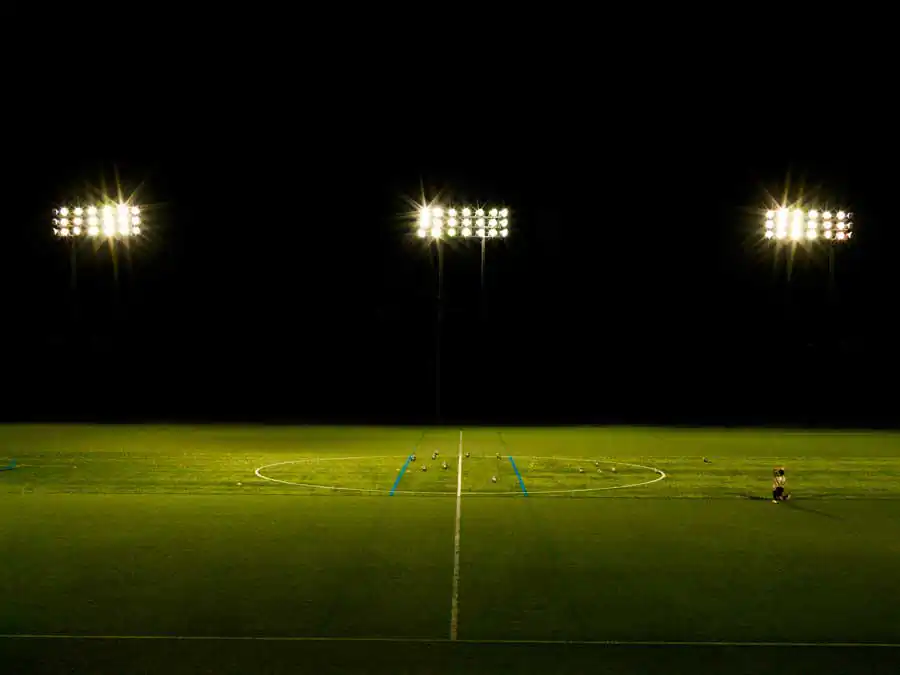
I was born to a family who ran a photo studio; thus, I was raised in an environment surrounded by photography. The town where I was born and grew up is famous as the spot where Japanese spirits would come to gather from all over the country in the tenth month of the old calendar. Growing up in a place like that, I am powerfully drawn to the world of the surreal, to things that are mysterious and out of ordinary. Japan is reputedly home to innumerable spirits, known as kami, and it is believed that these spirits inhabit all sorts of entities. Sensing the truth of this, I sometimes find that the people and things I encounter are difficult to approach, catching my attention as they exude something of this unseen world. ! More….
Water – Tomohide Ikeya
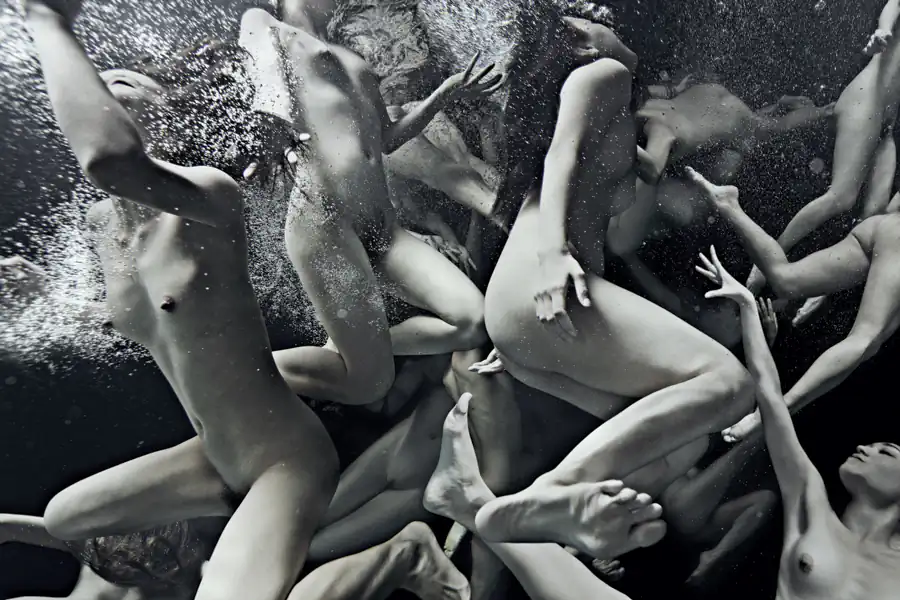
I’m a photographer who has a concept of “Control” for my work. Water is one of “uncontrolled” things which the human being never can to do. I had a lot of opportunities to think about ‘water’ with doing scuba diving in several countries as a hobby. The beauty of sunshine viewed from under water, daily life of aquatics and me as human just be able to see their world for a moment… More….